

On Oct. 4, an 11-year-old Quarter Horse gelding in Ada County, Idaho, was confirmed positive for pigeon fever. The horse developed clinical signs on Sept. 30, including enlarged prescapular lymph nodes and draining abscesses in the pectoral and ventral abdominal areas. He is under quarantine.
EDCC Health Watch is an Equine Network marketing program that utilizes information from the Equine Disease Communication Center (EDCC) to create and disseminate verified equine disease reports. The EDCC is an independent nonprofit organization that is supported by industry donations in order to provide open access to infectious disease information.
About Pigeon Fever
Pigeon fever is a bacterial infection that affects cattle and horses. It can cause large abscesses, most commonly on the chest and under the belly. Horses become infected when bacteria enters through broken skin, such as small scrapes or wounds. Peak season for infection is late summer through fall.
Good horse health safety practices are key to limiting the spread of pigeon fever. These practices include:
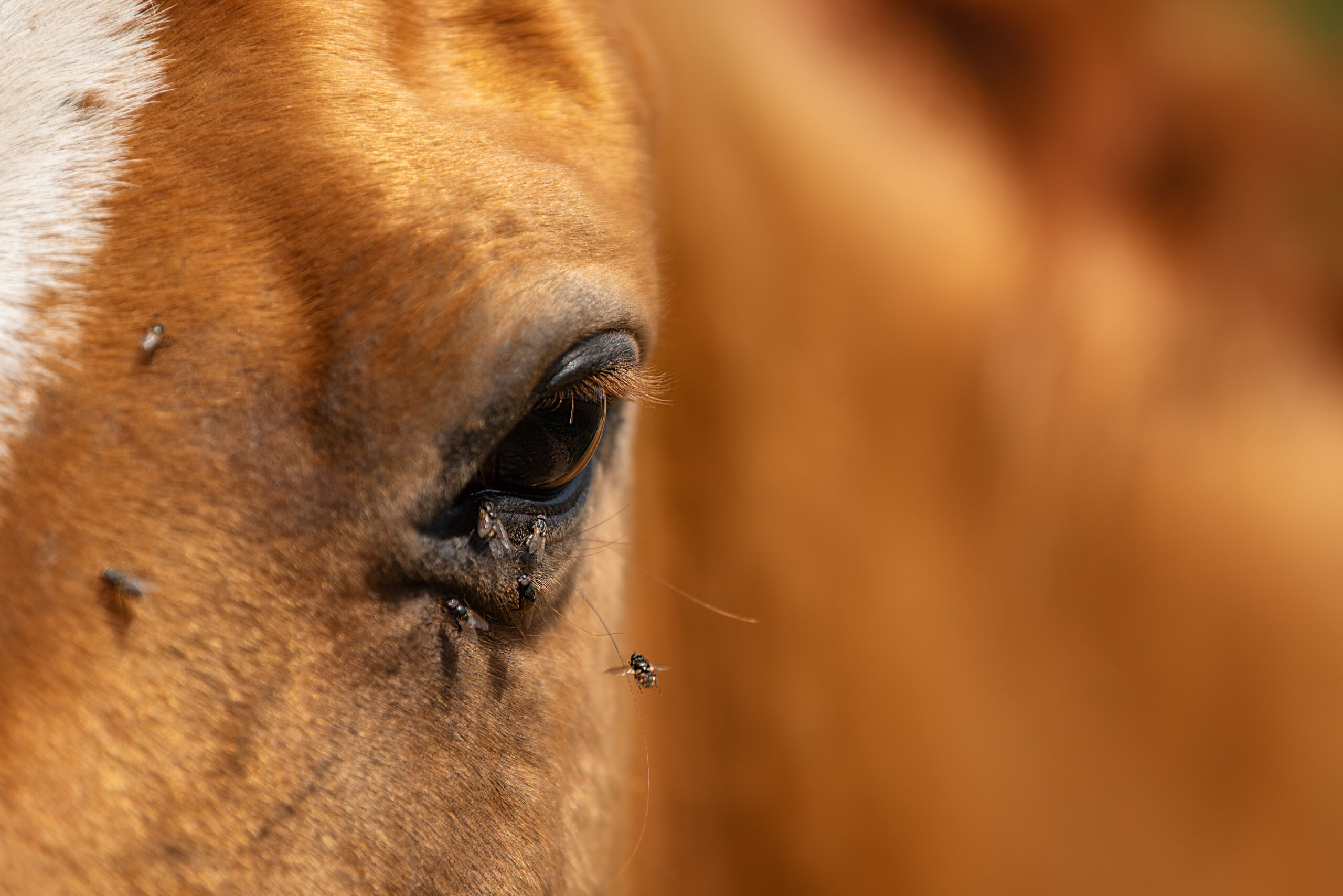
- Fly control;
- Not sharing water buckets or equipment; and
- Avoiding tying horses in high-traffic areas.
If a horse owner suspects that their animal is affected, they should contact their veterinarian.